Sunday, August 11, 2013

Remembering Hiroshima & Nagasaki

This summer, the creative worship committee I chair at our church decided we wanted to observe the 68th anniversary of the atomic bombing of the two cities in Japan. We built the service around a liturgy available online from the United Methodist General Board of Discipleship (GBOD), which the congregation read in halves as the Prayer of Confession, because "Human voices speaking together are a powerful force in this world." I appended this thought for meditation:

Even while recognizing that the decision to drop the bombs was not made lightly, we would do well to meditate on the suffering they wrought on Japanese civilians. The bombings set a precedent that has never—yet—been repeated.

One committee member folded all these cranes--from very little ones to large ones--and another arranged them around the altar. After the Children's Message, the kids could come up and choose a colorful crane to take home with them to remember the lesson. It was on Elizabeth Coerr's children's book Sadako and the Thousand Paper Cranes (1977). Sadako Sasaki was two years old when the Enola Gay dropped "Little Boy" on her hometown of Hiroshima. Like so many other local children, she was later diagnosed with leukemia. Sadako died within the year. By then she had managed to fold 644 origami cranes, but not the 1,000 that legend said were necessary for her wish of healing to be granted. Her classmates finished the task and buried them all with her.


We sang a number of beautiful hymns:
  • "This Is My Song" ~ a very familiar tune (Finlandia) that accrued renewed meaning for me in this service: "This is my song, oh God of all the nations, / a song of peace for lands afar and mine."
  • "When Our Song Says Peace" ~ a short piece we recently learned at a worship arts convention that encourages social justice: "When our song says peace and the world says war, we will sing despite the world."
  • "Goodness is Stronger Than Evil" ~ an even shorter melody that began as a prayer by Archbishop Desmond Tutu: "Goodness is stronger than evil, Love is stronger than hate; Light is stronger than darkness, life is stronger than death."
  • "We Cannot Measure How You Heal" ~ I thought this was a brilliant pick by the choir director as a way to close the service: "Lord, let your Spirit meet us here / to mend the body, mind and soul, / to disentangle peace from pain / and make your broken people whole." 
The anthem was a beautiful setting of "Make Me a Channel of Your Peace."

For the prelude Dear Husband played a solo-organ version of Flor Peeters' "Aria" (1945), which was originally the second movement of a sonata for trumpet and piano (1943). It always amazes me the kind of art and music that came out of World War II. For the offertory DH chose jazz pianist Bill Evans' "Peace Piece" (1958), a lilting improvisation.


The sermon was quite interesting, as the pastor chose to meld the theme with the lectionary reading from Isaiah 1. He focused on the apocalyptic nature of an event like those on August 6 and 9, 1945, and on the best way to approach controversial social and political issues: "in house" and listening to both/all perspectives. Verse 18 reads: "Come now, let us argue it out, says the Lord: though your sins are like scarlet, they shall be like snow; though they are red like crimson, they shall become like wool." It is much better "to argue" (and maybe to get something done) than to go through the rituals of religion only; through this process the church's sin of silence in the face of injustice is forgiven.

An image of the Genbaku (A-Bomb) Dome graced the front cover of the bulletin. It reminded me of another verse from the First Testament reading: "Your country lies desolate, your cities are burned with fire; in your very presence aliens devour your land; it is desolate, as overthrown by foreigners." ~ Isaiah 1:7


Hiroshima A-Bomb-Dome


There is a simple inscription under the Sadako statue in the Hiroshima Peace Memorial Park, and with this I close: "This is our cry. This is our prayer. For building peace in the world."

Friday, August 9, 2013

Supercalifragilisticexpialidocious

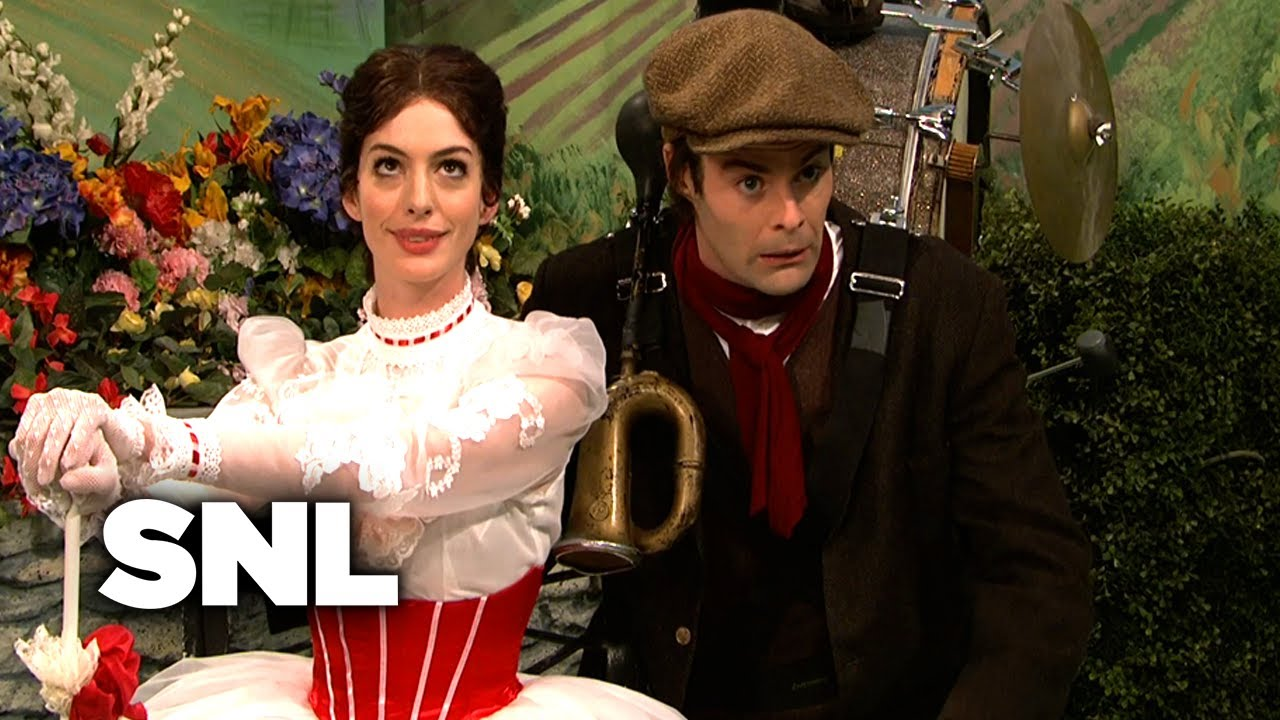
Editor's note: While going through some old Notes on facebook, I discovered this...odd piece. Apparently, at the end of my second year of medical school, while I should have been studying for Step 1, I took up my husband's dare to create a scientific-sounding explanation for the disease "supercalifragilisticexpialidociuos," as described in the SNL sketch below. (You already know the joke about Gandhi, right?) Well, here is my report, with a minimum of editing. Don't forget: a spoonful of sugar helps the medicine go down!


Ann Hathaway as Mary Poppins and Bill Hader as Bert on SNL

Dear Husband asked whether I could derive the pathophysiology of this disease, most commonly associated in the popular imagination with the English governess Mary Poppins, from the word itself. I have. But first, please watch the following documentary film for some background. (It will open in a new window--then come back here to read about it!)


Supercalifragilisticexpialidocious (supercali-fragilis-tic-expiali-docious) is a very and painful infectious hepatic disease in which bile production fails. This reduces the ability of the hepatoduodenal pathway to excrete hydrophobic waste products and to digest lipids. Eventually non-alcoholic steatosis of the liver commences, which manifests as hepatomegaly and right upper quadrant pain often mistaken for "a stomach ache." While the responsible microorganism has yet to be identified, existing studies suggest the involvement of a prion. There is no treatment at this current time, and the condition is inevitably fatal in 3-6 months. It's really quite atrocious.

The pathophysiology of supercalifragilisticexpialidocious is contained in its portmanteau moniker: supercali-fragilis-tic-expiali-docious.


  • Super (Latin) — prefix : over, above, in addition, from super over, above, on top of
  • Cali, from Calcium (New Latin from calc-, calx lime; 1808) — adjective : of or referring to the element calcium (Ca2+, atomic number 20). 

Liver failure not only disrupts the production of bile salts, bile acids, and bilirubinous salty acids, it also decreases albumin production. Albumin is the major transport protein in the blood plasma serum, such that hypoalbuminemia reduces the number of binding sites for calcium. "Supercali" therefore refers to the resulting elevated levels of free calcium, which contribute to urolithiasis, osteitis fibrosa cystica, tetany, perioral numbness, hypercoagulopathy, cardiac arrhythmia, and seizures (i.e. "stones, bones, groans, moans"). Due to the decreased albumin binding sites for warfarin, digoxin, and diazepam, the use of these pharmacological agents to treat preexisting conditions like hypercoagulopathy, cardiac arrhythmia, and status epilepticus obviously will have to be modified to take into account the drugs' increased volume of distribution and decreased clearance by phase I and II modification.


  • Fragilis (Latin) — adjective : 1) easily broken or destroyed; 2) constitutionally delicate

The hepatobiliary system's malfunction results in acholic stool and fat-soluble vitamin malabsorption. Depletion of Vitamin D does not help the supercali state, while loss of Vitamin C impairs cross-linking of hydroxylated lysine and proline residues on collagen triple helices. This produces a scurvacious state of easy bleeding and bruising. Hence the "fragilis" of the extracellular matrix, ground substance, and capillary basement membranes.


  • Tic (French; circa 1834) — noun : local and habitual spasmodic motion of particular muscles especially of the wrists when the hands are extended on straight arms in the "stop traffic" position

Liver failure disrupts the urea cycle, producing hyperammonemia, asterixis (the "tic" in the title), altered mental status, and eventually coma. Although asterixis is a clinic sign commonly taught to second-year medical students, its presence, absence, or severity does not actually correlate with the levels of ammonia in the plasma blood serum or with disease severity, so an actual laboratory test is needed.


  • Expiali, from Expectorate (Latin expectoratus, past participle of expectorare — to banish from the mind — taken to mean literally “to expel from the chest,” from ex- + pector-, pectus breast, soul; 1601) — transitive verb : to eject from the throat or lungs by coughing or hawking and spitting

A cough productive of red- and/or green-tinged sputum is seen in many cases of Supercalifragilisticexpialidocious. Its etiology is uncertain, but autodigestion of the liver by dammed up caustic waste products may perforate the diaphragm, leading to spillage of blood and bile into the lungs. An AP chest x-ray is recommended for all patients.


  • Docious, from Dioecious (ultimately from Greek di- + oikos; 1752) — adjective : 1) having male reproductive organs in one individual and female in another; 2) having staminate and pistillate flowers borne on different individuals

Finally, the root of this neologism reveals the method of transmission: "among grown ups." The first known communicable disease solely of heterosexuals, Supercalifragilisticexpialidocious is transmitted from one sexual partner to the other only when the reproductive organs of the individuals involved are "opposite." All sexually active heterosexual adults should be counseled about their risk of contracting this dread disease.

Tuesday, August 6, 2013

8 Years and Counting

Today Dear Husband and I celebrate eight years of (mostly) wedded bliss. In honor of the occasion, I have dredged up our wedding vows, which we wrote as a mash-up of traditional and contemporary vows. Despite cautions not to do so lest we forget on the big day, we memorized them. (We're both performers, after all; the recitation sounds better; and the idea is sort of to know them and keep them for the rest of your life!) Actually, neither of us had remembered to learn the ring vows, too, so I'm a little foggier on that one. Anyway, here they are, illustrated with photographs from our wedding and our first anniversary. Aw, what kids!

Credit: Regina Lansinger

"I, Frau Doktor Doctor, take you, Dear Fiance, to be my husband, to have and to hold from this day forward, for better or for worse, for richer and for poorer, in sickness and in health, to love and to cherish, until death do us part. In the presence of God, our family and friends, I promise to love you unconditionally, to support you in your goals, to honor and respect you, to laugh with you and cry with you, and to journey with you wherever life’s adventures may take us, for as long as we both shall live."


"Dear Fiance, I give you this ring as a symbol of our vows. With all that I am, and all that I have, I honor you in the name of the Father, and of the Son, and of the Holy Spirit. With this ring, I marry you."


1st anniversary at Second City in Chicago

Sunday, July 21, 2013

Layered Bean & Potato Pie

    This week Dear Husband and I are trying out two new casserole recipes from the Better Homes & Gardens One Dish cookbook My Awesome Parents got me one Christmas. (My paternal unit inscribed it "You're surprising!" because he hadn't though I possessed the interest and attention-span for cooking.) DH and I have found and adapted a number of tasty dishes from it over the years. Yesterday I made a delicious concoction of pasta, sausage, spinach, and cheese, and I'll get around to posting it eventually. But the one DH prepared for tonight was so surprisingly good that I resolved to put it up immediately for your edification and delight.

Layered Bean & Potato Pie

1 lb. small red or yellow potatoes, thinly sliced -- We can get these at our farmers market.
10 3/4 oz. can condensed cream of potato soup
15 oz. can garbanzo beans -- Also known as chickpeas; not the same thing as Great Northern white beans.
15 oz. can small red beans
1 cup frozen peas -- If I had been cooking, I would have put in at least 2 cups.
2 stalks chopped celery -- I left this off because DH doesn't like it.
1 cup chopped green bell pepper -- I left this off because I think it's wasted when it's cooked.
1 cup onion, chopped -- I would have chopped the whole dang onion, but DH measured carefully because it's not his favorite thing.
1/4 cup skim milk
1/2 cup shredded Monterey Jack cheese -- I omitted this because yesterday's casserole also had cheese.

Seasonings: 4 cloves minced garlic, 1/2 tsp cumin, 1/2 tsp. coriander, 1/4 tsp. cracked black pepper -- The cumin and coriander were courtesy of my grandmother, who brought us back a small spice rack from Turkey. I also like to add 1/2 tsp powdered sage.

Steamy delicious goodness!

1. Wash and chop vegetables. Pre-heat oven to 350 degrees F.

2. Cook potatoes for 4-5 minutes in just enough boiling water to cover them. Drain and set aside, or just leave them in the pot until you're ready for them. (This reduces baking time.)

3. Meanwhile, heat some oil in a saute pan. Add garlic and onion. The recipe said to cook 5 minutes or until tender--but again, leaving the heat on will reduce baking time.

4. Mash 1/2 cup of garbanzo beans. Add mash, all the beans, peas, soup, milk, cumin, coriander, and sage to the vegetables in the pan. Mix carefully.

5. When she emerges from her study, let wife talk you into using a 2-qt casserole dish instead of a pie plate, since both baking dishes are still full of yesterday's casserole. Try to remember to grease the dish. Line with potato slices. Spoon the bean mixture on top. Cover with potato slices.

6. The instructions say to bake, covered, for 45 minutes, but at that rate it wasn't going to be done in time for DH to eat before rehearsal. Since DH had not rinsed the potatoes with cold water and everything seemed to be mostly cooked already, we just popped it in the oven for 15 minutes to heat through. (If using cheese, sprinkle on top for the last 5-10 minutes, uncovered.)

    I can't tell you enough how good this tasted. In fact, the rainbow chard I fixed as a side dish with butter, onion, tomato, and salt was a complete let-down. Next time I'll add more salt, or maybe some lemon juice. If you prepare this dish, I'd be interested to know what alterations you made and what you served it with!

Monday, July 8, 2013

The Land of Lincoln


Dear Husband and I recently accompanied his parents on a day trip to Springfield, Illinois, for all things Lincoln. One thing I learned was that Springfield is the third capital of the state: the first, Kaskasia (18909-1818), was abandoned because of constant threats of flooding from the Mississippi River. From 1819 to 1839, the specially founded town of Vandalia hosted the state government (including a young Abe Lincoln). Springfield finally got the job as a large, centrally located city due in no small part to the advocacy of Lincoln, among others. (Wikipedia tells me that the town was originally named Calhoun for the South Carolinian politician, until his popularity with the public dived and the locals renamed the place for the Silicon Valley of the early 19th century: the textile manufacturing town of Springfield, Massachusetts.) In 1844 the Lincolns purchased this house in a new "suburb" of the growing municipality.


The 16th President of the United States of America spent the happiest 17 years of his life in Springfield. He and Mary Todd Lincoln lived most of that time in this two-story house, which they had bought from the minister who married them and expanded twice: once to add a back parlor on the ground floor and once to raise the attic roof to make a proper second floor with five bedrooms.

Our tour guide was fond of reminding us that the Lincolns had sold all their furniture and household goods when they moved into the White House. A railroad bigwig bought the house and some of the furnishings, which returned to Chicago with him in 1869 and disappeared in the Great Fire of 1871. The rest of the pieces had been bought by friends and neighbors and came back to the house once it became a historic site. So Abraham Lincoln actually used the desk and chair in the photo (right).

The wall paper is a busy French blue design Mary picked out. I was a big fan of the woven floor covering until I asked the the tour guide how they kept it clean (being familiar with both rug beating and the anachronicity of vacuum cleaners). It  turns out that every spring they had to move the furniture, pull up the carpet tacks along the walls, cut or rip the stitches holding the pieces of cloth together, beat each piece outside over a line, and then roll them up for storage over the summer. In the fall, these were pulled out, unrolled, re-sewn, and re-tacked. Definitely a luxury only the family of a lawyer and legislator could afford!

By chance we all wore our Union blues that day.
Robert Todd Lincoln sold the house to the state of Illinois in 1887 for $1 and the promise that they keep it up and admit visitors for free. This they tried to do will into the 20th century, when it all just became too much. There was too much development around the home: a Piggly-Wiggly across the street, souvenir shops in people's living rooms, and a proposed motel on the next corner. So the National Park Service stepped in, bought up the properties on four blocks, and turned the neighborhood into a pedestrian zone. A few of the houses are used for museum purposes and the rest as Park offices.


We also visited the Abraham Lincoln Museum, where we saw both the regular exhibits and a special display on Civil War weapons and medicine. We had just enough time to stop by the Lincoln Tomb. It was closed, so we couldn't go inside, but we could rub Abe's nose for good luck!

Thursday, July 4, 2013

If the Ponyshoe Fits...

Growing up I was a kind of picky eater. As I recall, items on my Do-Not-Eat List ranged from tomatoes and mushrooms to bananas and kiwis. I believe raisins and pears made brief appearances, as well as anything considered "hot" (like salsa) or "spicy" (like my dad's chili). Interestingly, brussels sprouts and lima beans never made the list. Once in college, however, I discovered Indian food. More specifically, lamb saagwala (spicy spinach): yum. Since then, I have gotten even more "adventurous," branching out into heretofore-unknown vegetables, as I have chronicled on these pages before (turnips? kohlrabi? kale?!). Being something of a food historian now, I try to keep an open mind. I figure I can try almost anything once. On a road trip with my in-laws recently, I had the opportunity to put this philosophy to the test with a dish original to Springfield, IL: the horseshoe.

A horseshoe is an open-faced sandwich composed of Texas toast, meat, french fries, and cheese sauce. Sounds like a heart attack waiting to happen, doesn't it?

It's a midwestern spin on Irish bar food, now served in Central Illinois diners and greasy spoons to the delight of carnivorous customers, who compare cheese sauces and meat selections in their online reviews. Because my arteries had started to harden already while locals described it to me after a church meeting, I resolved to order the horseshoe's smaller cousin--a ponyshoe--and split it with Dear Husband. (Our waitress said the horseshoe comes with an extra handful of fries and an extra scoop of sauce.)

Somewhere under that mountain of fries is a layer of
corned beef, and under that is a thick piece of buttery toast.
We opted for the corned beef and put the cheese sauce on the side (otherwise the fries get soggy). Also a large house salad to share (otherwise my healthy-eating conscience would wilt). DH was decidedly skeptical about the whole business, until I was able to coax him to try the cheese sauce. He pronounced this "pretty gouda" and proceeded to dunk his fries alternatingly in ketchup and cheese sauce. It really was delicious, but of course we didn't use even half of the cup that was provided. Maybe our arteries will last a little bit longer for it!

All in all, I found the horse/ponyshoe to be a delicious dish that--with the addition of a salad--makes a passing "sometime" meal to share on a special occasion.

Sunday, June 30, 2013

Cut & Paste

Because sometimes writing really is a matter of cut and paste/tape/staple:


This is what the conclusion of my dissertation looked like on a recent afternoon. I have since scribbled three more pages of handwritten paragraphs. The document open on my laptop is still blank.

When I took this picture I don't remember noticing that my feet were in the frame, so I must not have been wearing my glasses. However, they are not among the objects scattered on the floor, so I'm not entirely sure where they were while I was engaged in this activity. That empty spot on the floor is for me.


Editor's note: I have been too busy cooking up fun, recuperating from it, and immersing myself in work to make up for my lack of productivity while traveling/recovering to write anything to post to this blog. I have a few hours this evening in which to rectify the situation, so email subscribers don't be surprised if you receive some back-dated posts over the next week or so.